


The Moroccan Football Federation says it will no longer submit bids to host African football competitions following recent controversies surrounding the country’s organisation of continental tournaments.
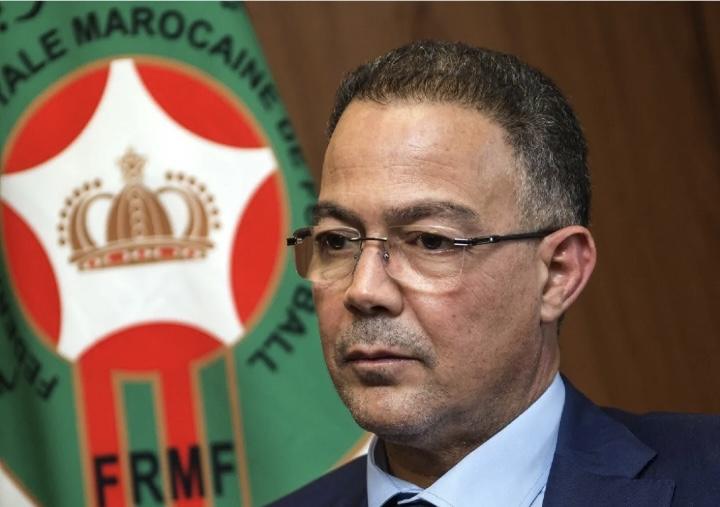
President of the Moroccan Football Federation (FRMF), Fouzi Lekjaa, has announced that Morocco will no longer bid to host African football competitions, regardless of their category or level.
Speaking during an interview with Al Jazeera 360, Lekjaa stated that Morocco has decided to step away from the bidding process for future African tournaments and wished other nations success in hosting continental events.
“Starting today, Morocco will no longer submit any bids to host African competitions, regardless of their nature. If other countries wish to organize them, we wish them the best,” Lekjaa said.
The announcement comes just months after Morocco hosted one of the most discussed editions of the Africa Cup of Nations (AFCON), a tournament that generated both praise and controversy.
Morocco’s Role in Hosting African Football
Over the past decade, Morocco has established itself as one of Africa’s leading hosts of major football competitions.
The North African nation has invested heavily in modern stadiums, training facilities, transportation infrastructure, and security measures, allowing it to stage several continental and international events successfully.
Morocco’s growing reputation as a football destination has also been strengthened by its preparations to co-host the 2030 FIFA World Cup alongside Spain and Portugal.
However, despite these achievements, recent events appear to have influenced the federation’s decision to step back from bidding for future African competitions.
AFCON Final Controversy
Lekjaa also addressed the controversies that emerged during and after the Africa Cup of Nations final against Senegal.
The final was overshadowed by tensions following Senegal’s walk-off and the incidents that unfolded around the match, leading to heated debates across African football circles.
The situation attracted significant media attention and prompted criticism from some quarters regarding security arrangements and crowd management.
According to Lekjaa, the Senegalese Football Federation had expressed satisfaction with the organisation of the tournament before the final.
“On the contrary, their federation president even said the stadium was world-class and everything was perfect,” Lekjaa said.
The FRMF president explained that the Senegalese federation had publicly announced the arrival time of its national team in Rabat, which led to large numbers of supporters gathering to welcome the players.
Subsequently, concerns were raised about security around the team.
Morocco Defends Its Security Record
Lekjaa rejected suggestions that Morocco failed to provide adequate security during the tournament.
He stressed that Morocco has a strong reputation for organising major sporting events and insisted that the country’s security standards are widely recognised by international partners.
The federation president also noted that Morocco has continued to strengthen security arrangements around stadiums and host cities to ensure the safety of players, officials, and supporters during major events.
Morocco’s Growing Influence in African Football
In recent years, Morocco has become one of Africa’s most active hosts of major football competitions, including youth tournaments, women’s events and club competitions.
The country has also invested significantly in football infrastructure and is preparing to co-host the 2030 FIFA World Cup alongside Spain and Portugal.
Its stadium developments and organisational capabilities have made it one of CAF’s most reliable partners for staging international events.
What This Means for African Football
Morocco’s decision could have significant implications for African football administration.
In recent years, the country has frequently stepped in to host tournaments and has become one of the continent’s most reliable organisers of major sporting events.
Should Morocco withdraw from future bidding processes, other African nations may now have greater opportunities to host continental competitions. At the same time, CAF could face fresh challenges in identifying countries capable of meeting the infrastructure and logistical demands of major tournaments.
Analysis
Morocco’s decision could reshape the landscape of African football hosting in the coming years.
The North African nation has frequently stepped in to organise tournaments at short notice and has become one of the continent’s leading football destinations.
If Morocco decides to permanently step away from bidding for African competitions, other countries may have an opportunity to take on greater hosting responsibilities. However, CAF could also face challenges in identifying nations with the infrastructure and financial resources required to stage major tournaments successfully.
For now, the announcement reflects growing frustration within the Moroccan Football Federation following recent controversies and may trigger wider discussions about the future organisation of African football events.
