


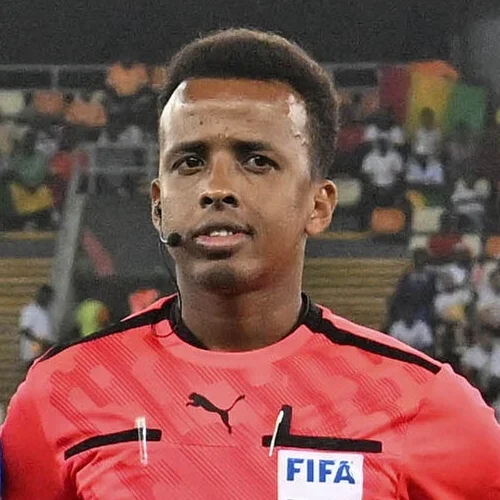
A major controversy has emerged just days before the 2026 FIFA World Cup after Somali international referee Omar Abdulkadir Artan was reportedly denied entry into the United States despite being officially selected as part of the tournament’s officiating team.
According to reports from international news agency AFP, Artan was stopped at the US border even though he was said to be traveling with a valid visa and a diplomatic passport. He has since returned to Istanbul, where he had been staying ahead of the tournament.
Who is Omar Artan?
Omar Abdulkadir Artan, born in Mogadishu, Somalia, is widely regarded as one of Africa’s most respected football referees.
He became a FIFA-listed referee in 2018 and has since officiated at several major international competitions, including:
- Africa Cup of Nations (AFCON)
- CAF Champions League
- FIFA youth tournaments
In 2025, he was named African Referee of the Year by the Confederation of African Football (CAF), a recognition of his consistency and high-level officiating across continental competitions.
His selection for the 2026 World Cup was seen as a major milestone in his career and a significant achievement for Somali football officiating.
Reports of Denied Entry Raise Questions
Reports indicate that Artan was refused entry into the United States at the border, although the exact reason has not been officially confirmed by authorities.
The situation has drawn attention within the global football community, particularly due to his confirmed role as one of the selected referees for the tournament.
A senior advisor to Somalia’s Ministry of Youth and Sports, Ciise Aden Abshir, expressed concern over the development, describing Artan as a respected official who has earned his place at the highest level of football.
He stated:
“Omar Artan is among Africa’s most respected referees and deserves the support of the entire football community.”
Why This Incident Matters
The development has sparked wider discussion about the logistical and administrative challenges involved in organizing global sporting events such as the FIFA World Cup.
With referees, players, and officials traveling from different parts of the world, visa and entry processes play a crucial role in ensuring smooth participation.
Situations like this highlight how off-field issues can potentially impact preparations for major tournaments.
Broader Implications for International Football
This incident highlights wider challenges in global football administration, particularly around travel and entry procedures for officials involved in major tournaments.
With the FIFA World Cup bringing together players, referees, and staff from over 50 countries, smooth coordination between football governing bodies and host nations is essential.
Disruptions involving key officials can raise concerns about tournament preparation and highlight the importance of clear communication between FIFA, national associations, and immigration authorities.
Experts often note that logistical issues, even outside the pitch, can affect the smooth running of international competitions, especially at the World Cup level where global attention is at its highest.
What Happens Next?
As of now, there has been no official detailed explanation from US authorities or FIFA regarding the incident.
Football fans and analysts are expected to follow the situation closely as the 2026 World Cup approaches, with updates likely to emerge in the coming days.
FIFA has not yet issued a formal statement addressing the reported denial of entry.
SportBlits Editorial Note
This report is based on publicly available information from international news agencies and statements from football officials. SportBlits will continue to monitor the situation and provide updates as more details become available.
